
Gadgets
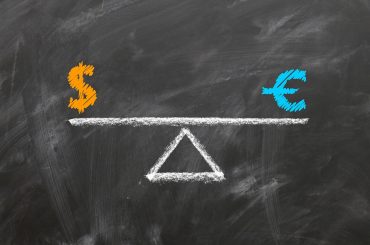
During a short time span, the macroeconomic backdrop and monetary policy challenges shifted dramatically in a way hardly seen in the recent history. Thereby, from a prolonged period of subdued inflation to a period of high inflation and potentially stagflation; from persistent and extended efforts to increase the degree of monetary accommodation to sustained actions of tightening to rein in the runaway inflation

Asemenea evoluției pandemiei și a războiului din Ucraina, în ultima perioada, inflația a devenit și ea un subiect intens dezbătut – dacă nu cel mai dezbătut – în spațiul public. Oarecum este o consecință normală, în contextul în care, prețurile de consum au înregistrat creșteri deosebit de rapide cu efecte negative asupra întregii societății și, în special, asupra grupurilor vulnerabile, atât la nivel global cât și în România

A 27-a reuniune Conference of the Parties (COP27) dedicată abordării riscurilor climatice a avut loc în perioada 6 noiembrie – 17 noiembrie 2022 la Sharm El-Sheikh (Egipt) într-un context marcat de reverberațiile agresiunii Federației Ruse asupra Ucrainei, a reconfigurării fluxurilor comerciale globale și inflației înalte pe plan mondial.
Fiecare criză din ultimii cincisprezece ani a fost urmată de o creștere a datoriilor totale (publice și private), în încercarea de a stimula creșterea economică și de a păstra neștirbit nivelul de trai. Astfel, datoria globală totală a ajuns, la sfârșitul anului 2020, la 256% din PIB-ul mondial (din care datoria publică – 99% din PIB-ul mondial, iar datoria privată – 157% din PIB-ul global). A se compara acest nivel cu nivelul de 195% din PIB atins în anul 2007 (înaintea crizei financiare) și cu nivelul de 227% din PIB atins în anul 2019 (înaintea crizei COVID). Întrebarea firească este „cum vor fi plătite datoriile uriașe acumulate până în prezent?”

Cantillon înțelege că banii în exces provoacă “bule”, care se sparg, că modificarea ofertei de monedă determină mutații în alocarea resurselor, sugerează că dobânzile nu sunt “preț pe timp”, ci prime de risc, atrage atenția asupra a ceea ce înseamnă velocity – viteza de rotație a banilor și că intrarea neuniformă a banilor în economie duce la o creștere treptată a prețurilor și la efecte redistributive

În ultima perioadă se constată o intensificare a luărilor de poziție ale unor comentatori autohtoni față de moneda digitală de bancă centrală, inclusiv în varianta sa de euro digital. În general, opiniile exprimate conțin multe deformări ale realității faptice, după cum vom încerca să arătăm în continuare