Economy has two ways of dealing with financial loss. It can admit it, or it can circulate it. Admission is…
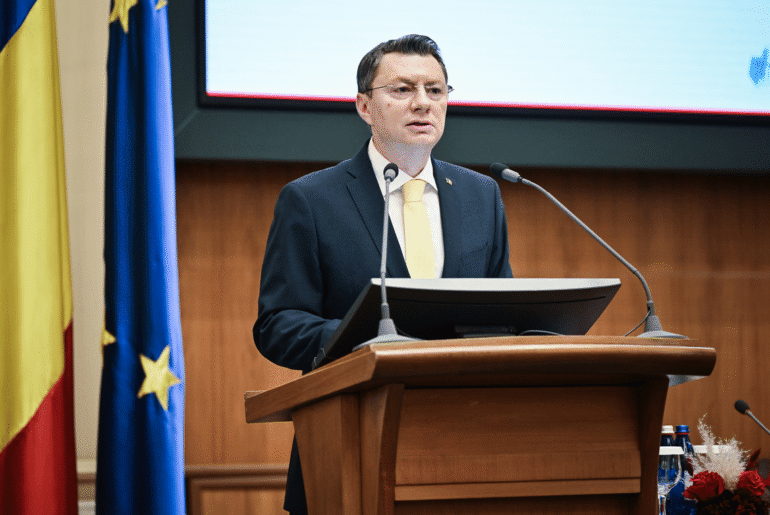

Economy has two ways of dealing with financial loss. It can admit it, or it can circulate it. Admission is…
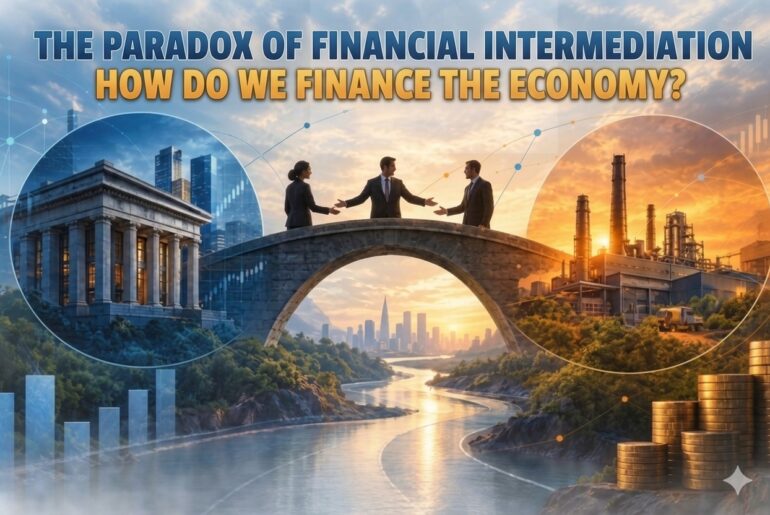
Romania has the lowest level of financial intermediation in the European Union, whereas Romanian firms have among the highest levels…
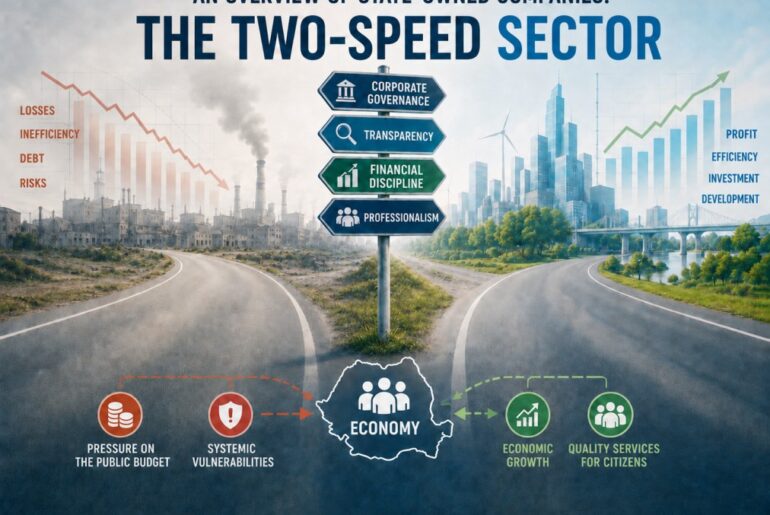
The performance of state-owned enterprises (SOEs) has broad direct implications for the economy through the quality of the services provided,…
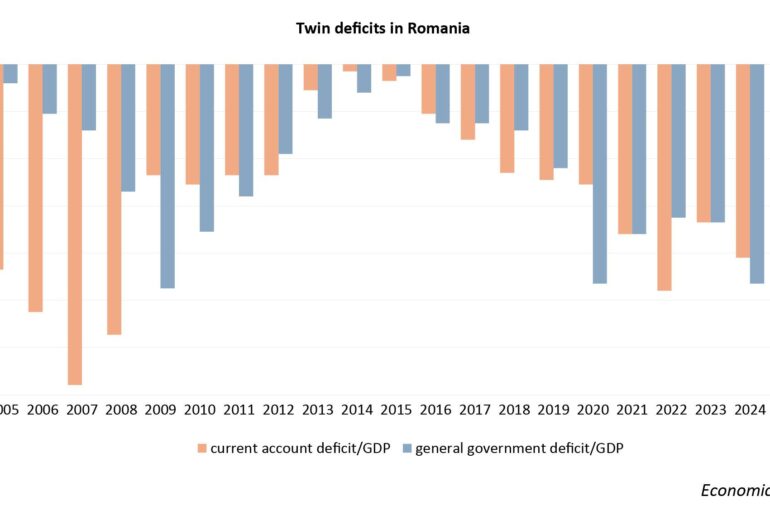
The persistence of external imbalances increases the dependence on foreign capital flows and affects financial sustainability. In Romania, external imbalances…
We have launched the second volume of the Economic@NBR project, at the current juncture dominated by multiple uncertainties and challenges,…
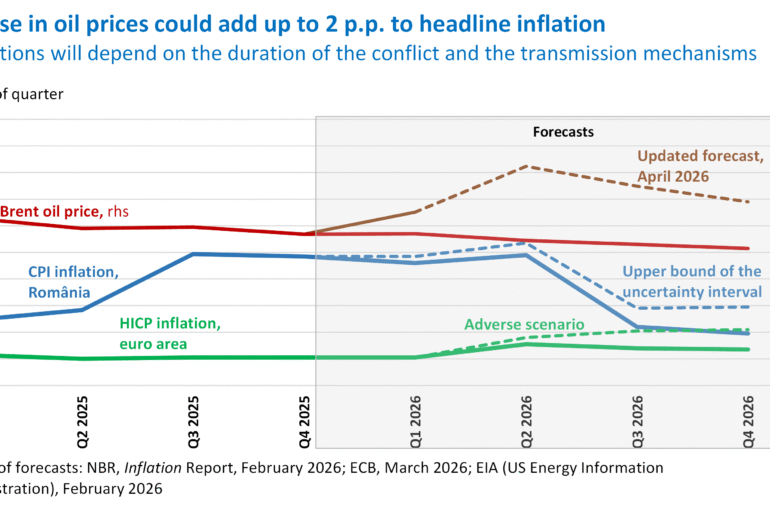
With or without a lasting ceasefire, the Middle East war is fuelling severe uncertainties, entailing a pick-up in inflation, in…
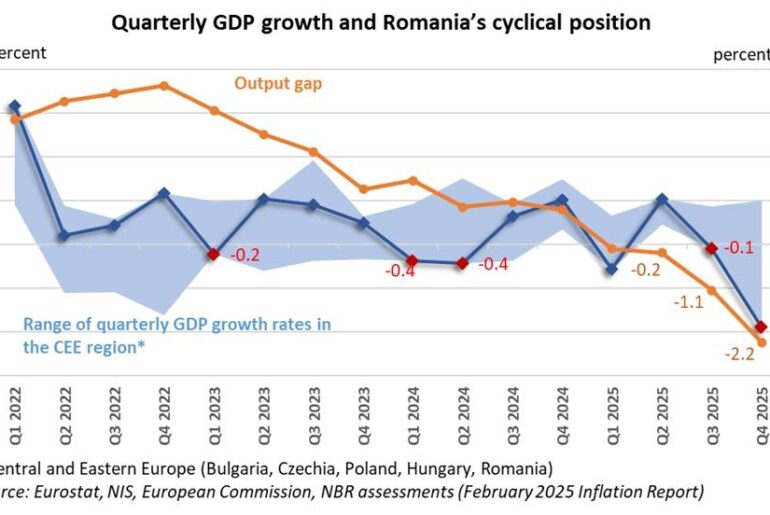
Over the past few days, we have witnessed intense debates around the topic of the “technical recession”, where various causes…
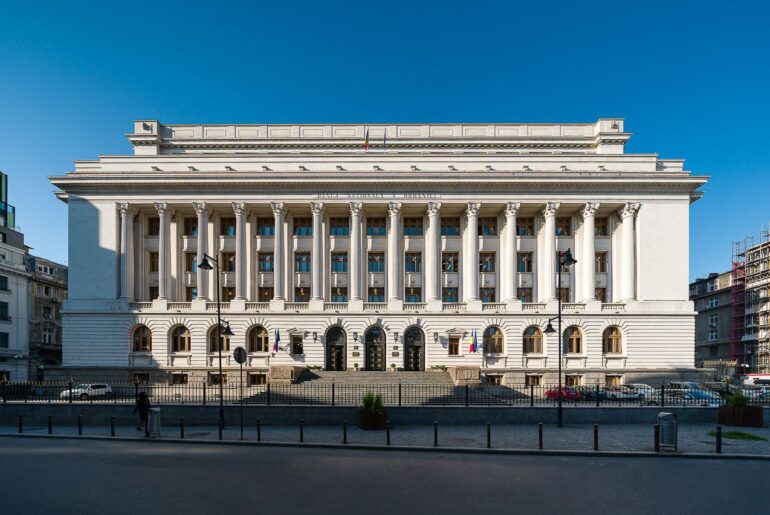
History has shown that inflation is the most perfidious economic threat to the well-being of nations, with far-reaching redistributive effects…

The expansion of the crypto assets sector, including “stable coins”, is welcomed by those involved in this activity and by…

To answer on whether and how global capital flows should support the building of young democracies I would use two perspectives.…