Gadgets

Autoritățile europene de supraveghere financiară au publicat recent, pe site-urile lor web, două fișe informative pentru a sprijini consumatorii în…

În 2024 si prima jumătate a anului 2025, pe fondul unui consum încă ridicat, alimentat de politici fiscale excesiv de…

Economia modernă funcționează pe baza unor idei având originea la mijlocul secolului al XX-lea, în preajma celui de al Doilea…

Motto: Nu ceea ce ne imaginăm noi este în contrast flagrant cu realitatea, ci invers; realitatea e în contrast flagrant…

A trecut un an de când, într-un cadru oficial, îmi exprimam opinia că actualul mandat al Consiliului de Administrație al…

History has shown that inflation is the most perfidious economic threat to the well-being of nations, with far-reaching redistributive effects…
Recent

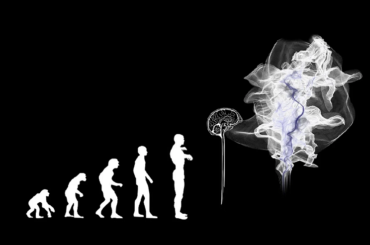
Debates on artificial intelligence (AI) have intensified greatly in recent years. The British government organized a high-level conference on this topic recently. Top officials from the EU and the USA consider AI among their priority policy orientations. Prominent Silicon Valley voices, major companies, are actively engaged in this debate. In Asia, AI is at the forefront of attention. At last year’s annual meeting of the Academia Europaea, Professor Helga Nowotny’s inaugural address and other lectures focused on AI. While the benefits of AI are widely acknowledged, deep concerns about its potentially harmful effects and the possibility of it spiraling out of control are also raised. Can AI be regulated without stifling innovation? Could AI address imbalances between needs and resources sustainably by bringing about abundance for all? This debate is particularly relevant given the significant disruptions of recent years, that have perturbed people’s lives and have led to a “cost of living” crisis with political ramifications.